
Clean, reliable drinking water is one of the most fundamental expectations of any community.
And yet, most people rarely think about the wat system that makes it possible, until it’s under pressure.
Across Canada, municipalities are facing a growing challenge: aging infrastructure, increasing demand, and limited redundancy in their water systems. The question is no longer if systems will be tested, but when.
The real measure of a strong water system is not how it performs on a good day.
It’s how it holds up when something goes wrong.
Many Canadian communities rely on a combination of groundwater supply, storage reservoirs, water towers, and distribution infrastructure to deliver potable water safely and consistently.
But here’s the issue:
When a key asset, like a primary reservoir, needs to be taken offline for maintenance or rehabilitation, the entire water system can be exposed.
Without sufficient backup storage or system redundancy, municipalities face real risks:
This is not a theoretical problem. It’s a system-level vulnerability that requires proactive planning.
The Town of Orangeville faced exactly this challenge.
Following a Municipal Class Environmental Assessment, it became clear that taking the West Sector Reservoir offline for rehabilitation would leave the community without sufficient treated water storage to maintain reliable service.
The solution was not reactive. It was strategic.
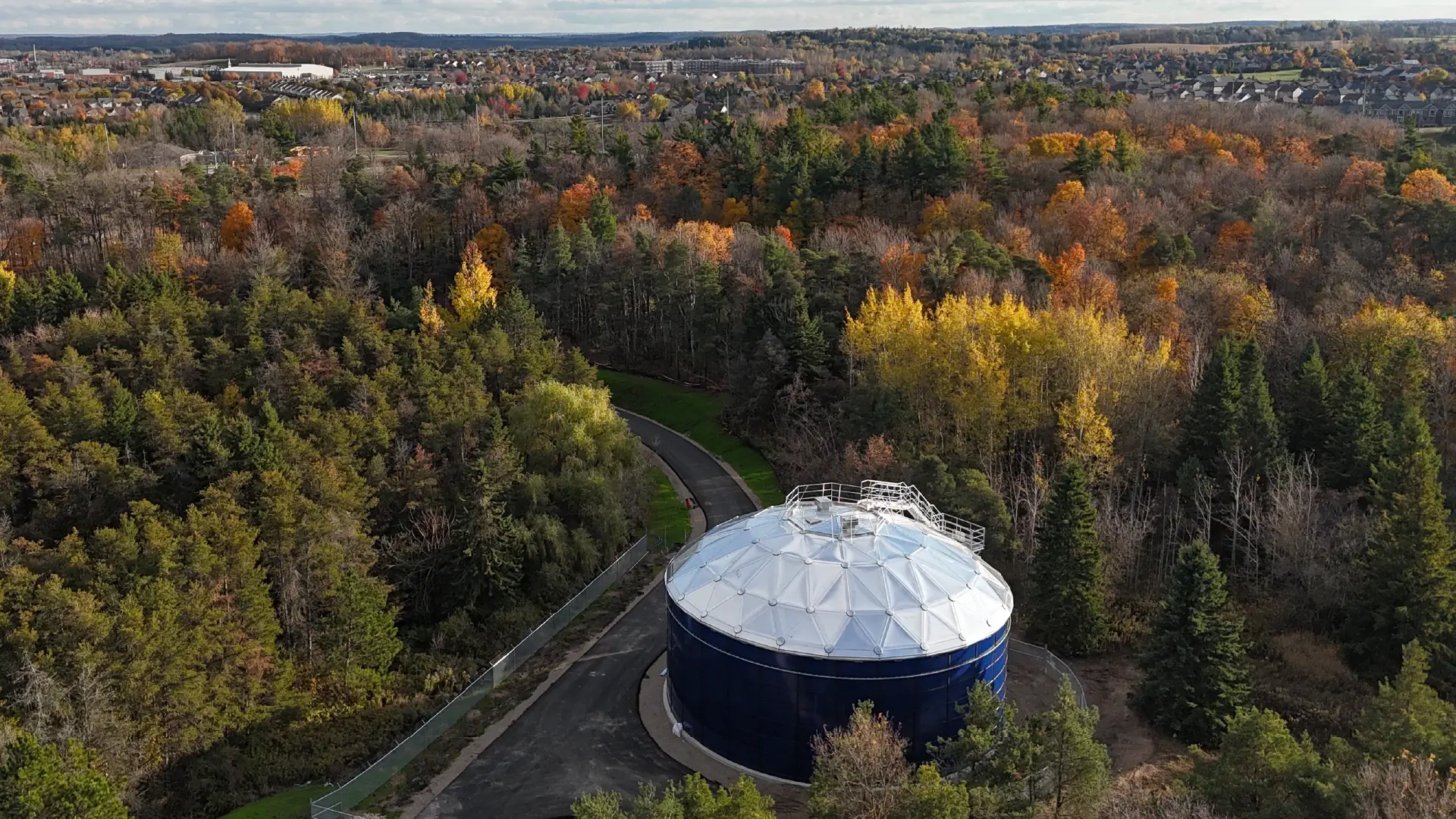
The Orangeville Potable Water Project was developed to strengthen Orangeville’s water management system ahead of that risk, not after.
At the centre of the project:
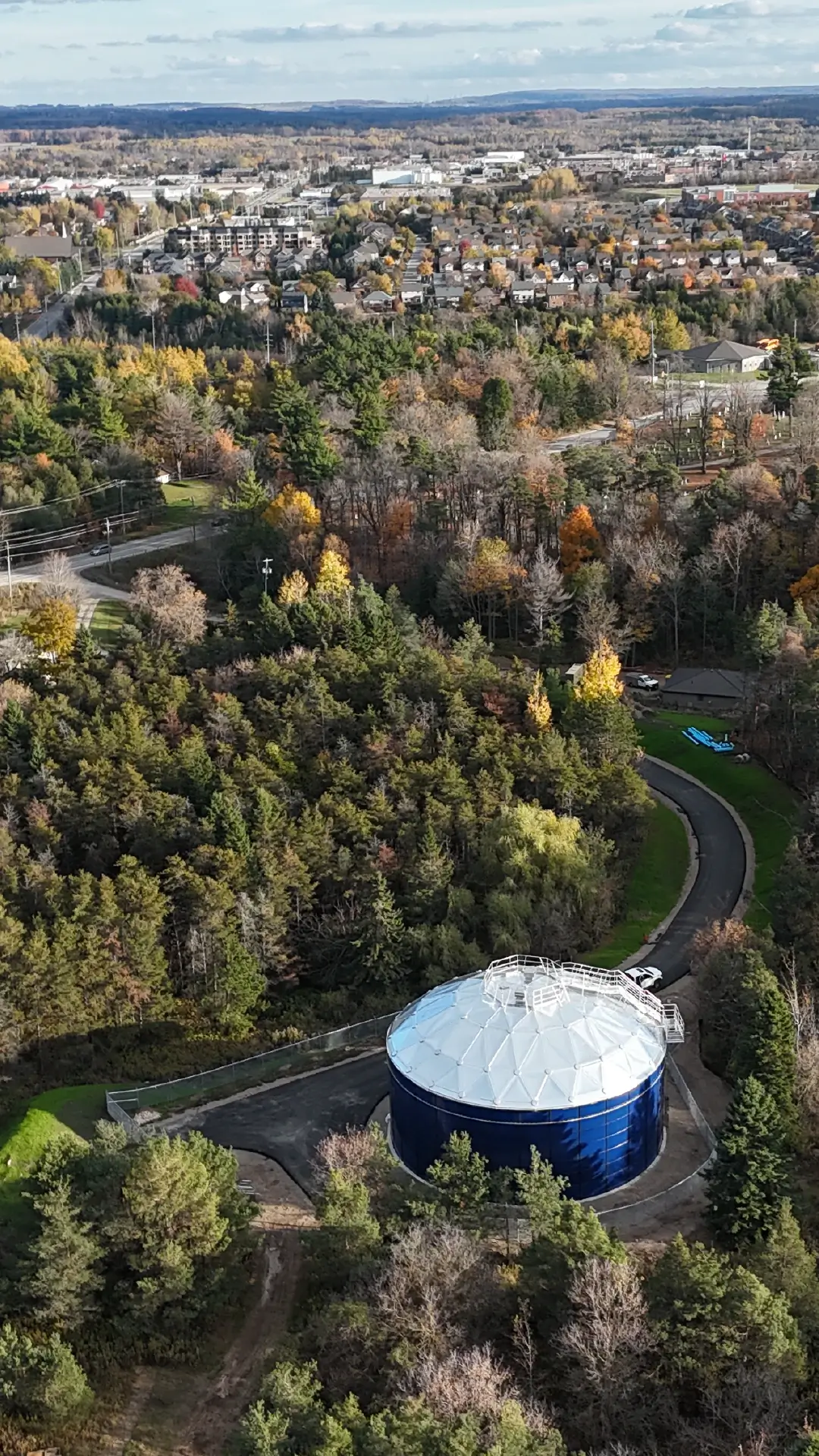
Located at the Well 5 / 5A site, an area with strong groundwater supply and hydraulic connectivity, the facility was designed to integrate seamlessly into the existing distribution system.
This is what forward-thinking water system planning looks like.
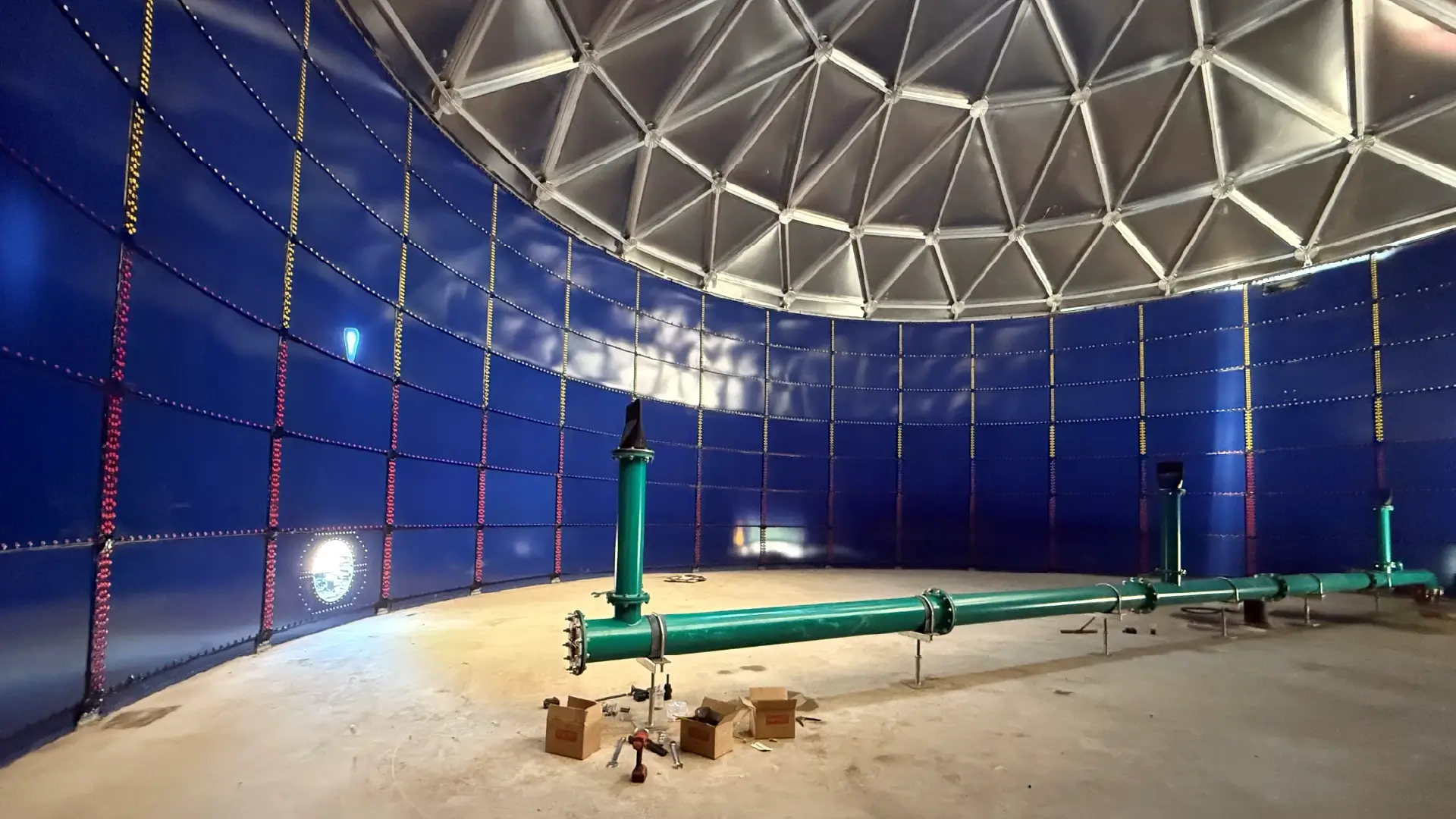
This isn’t just infrastructure. It’s performance.
The new reservoir and booster station now enable the Town’s water system to:
Water can be stored during low-demand periods and supplied during peak usage, ensuring consistency across the system.
The booster station supports reliable pressure across service zones, reducing fluctuations that can impact both residential and industrial users.
Adequate storage ensures the system can meet high-demand scenarios, including fire protection and emergency response.
Modern controls reduce excessive cycling of wells and pumps, optimizing performance and extending the life of existing infrastructure.
Most importantly, it ensures that safe, treated potable water is consistently available, regardless of system stress or maintenance activities.
Projects like Orangeville’s are not one-offs. They represent a broader shift in how municipalities across Canada must approach water system infrastructure.
The reality is:
In this context, resilience is not optional. It is a requirement.
Investments in treated water storage, booster systems, and redundancy are no longer “nice to have.”
They are essential to maintaining public trust, protecting public health, and supporting long-term community growth.
For municipalities, every infrastructure investment must balance performance with cost.
What makes projects like this stand out is their ability to deliver both.
The Orangeville Potable Water Project provides:
For taxpayers, that translates to long-term value, stability, and confidence in their water system.
Water infrastructure rarely gets attention.
It’s not something you see on a skyline or visit on a weekend.
But it is something every person relies on—every single day.
The Orangeville project is a reminder that the most important infrastructure is often the least visible.
Because the goal is simple:
A water system that works so well, you never have to think about it.
Across Canada, the future of municipal water infrastructure will be defined by one question:
Can the system hold when it’s tested?
Projects like the Orangeville Potable Water Project answer that question with confidence.
Not through reaction, but through preparation.
Not through visibility, but through performance.
And not just for today, but for the long-term strength of the communities they serve.

VP of Sales | Greatario Group
Jeff leads national sales strategy and customer development for Greatario, guiding teams across Canada to deliver trusted engineered water storage solutions.