
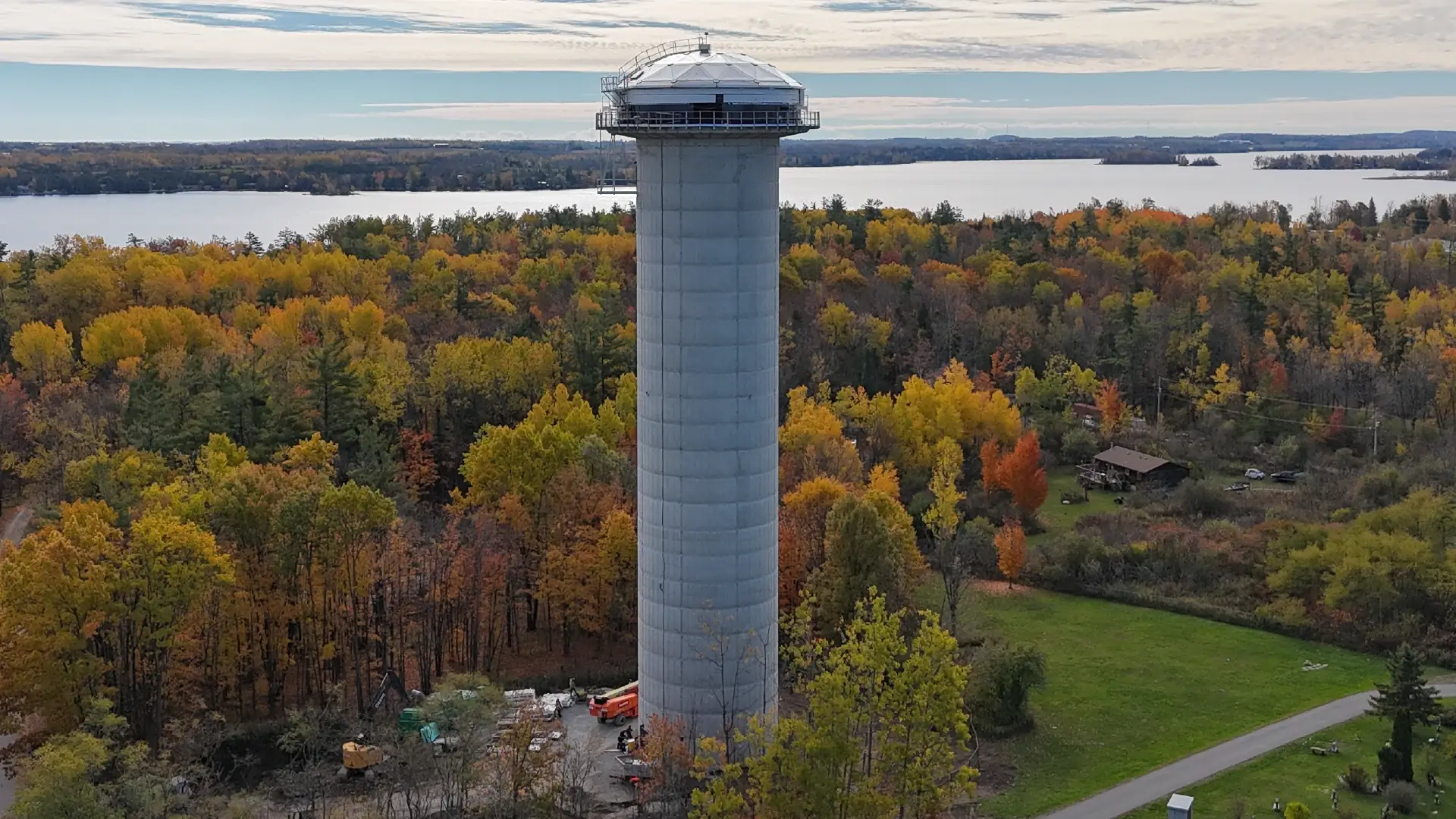
A water tower does something deceptively simple—and critically important: it stores treated drinking water at elevation so communities have reliable water pressure, emergency supply, and system resilience at all times.
But that’s only the surface. In 2026, a water tower is no longer just a piece of skyline infrastructure. It’s a public health safeguard, an energy-saving pressure system, a climate-resilience asset, and, increasingly, a political and cultural symbol of a community’s readiness for growth.
Let’s break it down—technically, socially, politically, and culturally.
At its core, a water tower relies on gravity.
Water towers are part of a closed, regulated system that protects drinking water quality.
In Canada, potable water infrastructure is governed by provincial regulations and federal guidance from organizations like Health Canada and Environment and Climate Change Canada.
A well-maintained tower helps:
When towers are not inspected or cleaned regularly, sediment accumulation and corrosion can quietly compromise water quality. This is why inspection cycles and tank maintenance are not optional—they’re a public health obligation.
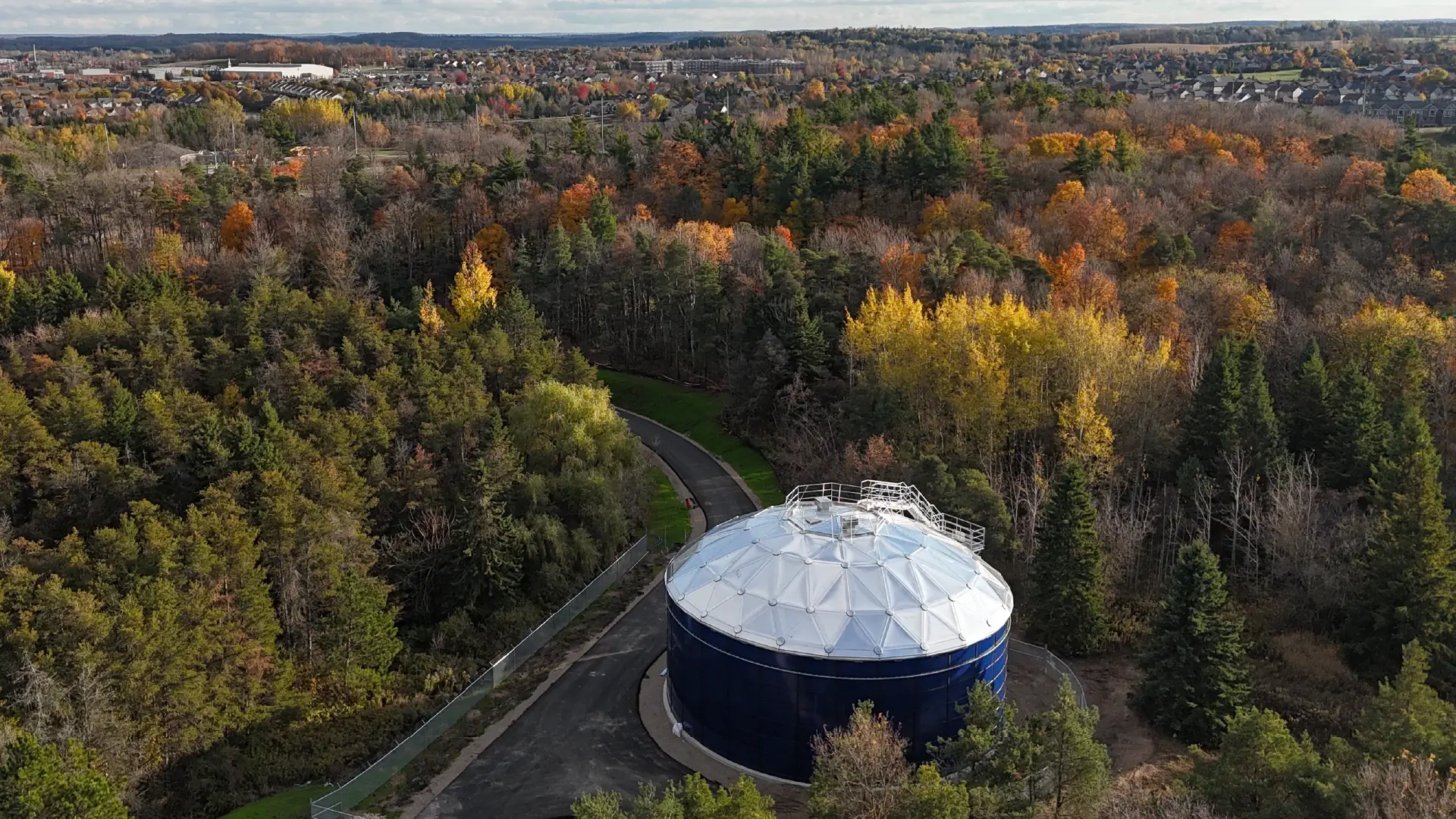
Water towers are inherently energy-efficient infrastructure.
By pumping during off-peak hours and relying on gravity:
In an era of Net Zero commitments and rising energy costs, gravity is the most underrated renewable energy source in municipal infrastructure.
Climate change has shifted how engineers and municipalities think about water storage.
Water towers now play a frontline role in:
As climate volatility increases, distributed storage—like elevated tanks—adds redundancy and buys time when centralized systems are stressed.
This is no longer theoretical. It’s operational risk management.
A water tower is a visible promise.
When municipalities invest in water storage infrastructure, they are signaling:
Conversely, deferred maintenance or aging tanks can become political flashpoints, especially when boil-water advisories, development moratoriums, or emergency repairs hit the headlines.
Water towers don’t just hold water. They hold public trust.
No water capacity = no growth.
Water towers are often a gating factor for:
For developers, lenders, and insurers, water storage capacity is a foundational requirement. Without it, projects stall—regardless of market demand.
In this sense, a water tower is economic infrastructure as much as it is utility infrastructure.
Look at almost any town skyline and you’ll find the water tower—painted with:
Water towers become:
Water towers quietly remind people that someone, somewhere, planned for the future.
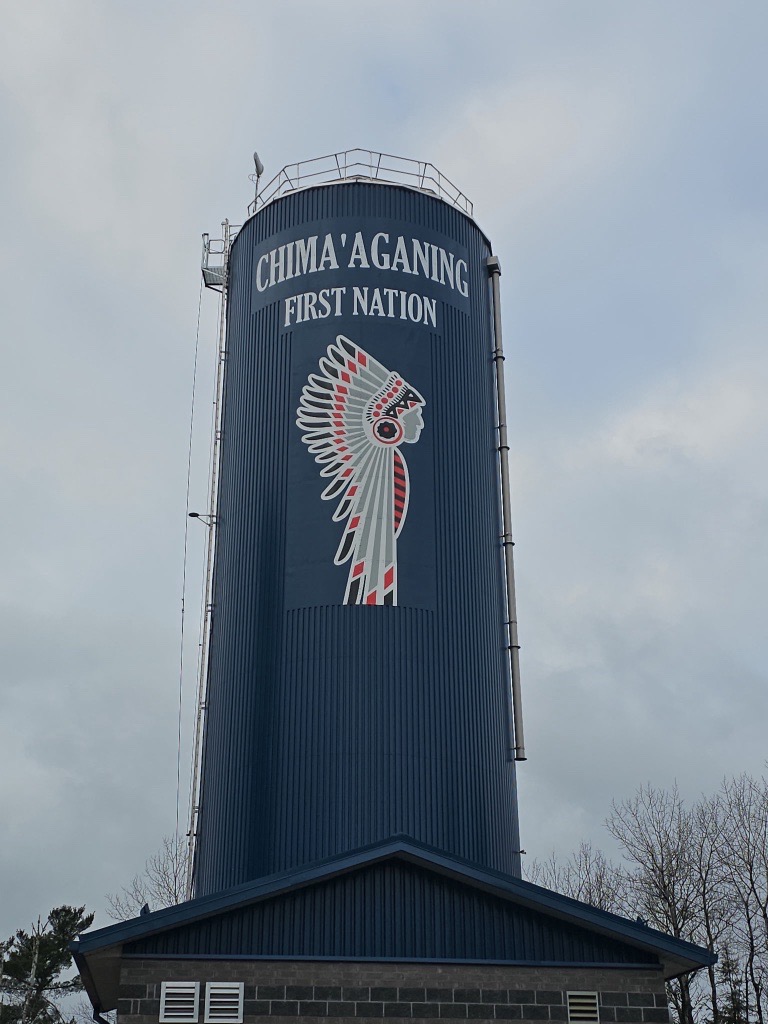
Today’s water towers are not static structures—they are highly engineered storage systems designed to perform reliably for decades under demanding conditions.
Modern tanks integrate materials science, structural engineering, and lifecycle planning to meet the realities of aging infrastructure, regulatory scrutiny, and climate stress.
At the core of modern water tower design is performance over time, not just day-one capacity.
Key features of today’s engineered water towers include:
Whether you’re storing potable water, wastewater, or biogas, Greatario’s glass-fused-to-steel tanks deliver proven durability and unmatched lifetime value.
With more than 60 years of field performance and coast-to-coast project experience, Greatario designs and builds storage infrastructure that stands the test of time and climate. Every tank reflects a deep understanding of Canadian operating conditions, regulatory environments, and long-term municipal realities.
In an era where infrastructure decisions must balance performance, resilience, and fiscal responsibility, modern water towers—and the materials behind them—matter more than ever.
A water tower is not just a piece of infrastructure. It is a system of assurance.
It ensures that when a tap is turned, water flows with steady pressure. That when a fire breaks out, supply is immediate. That when power is lost, service continues. It protects public health quietly, efficiently, and often invisibly—doing its job best when no one is thinking about it at all.
But beyond function, a water tower represents foresight. It reflects how seriously a community takes resilience, growth, and stewardship. It signals whether leaders are investing ahead of demand or reacting after failure. In an era defined by climate pressure, aging infrastructure, and rising expectations, water towers are no longer “background assets.” They are frontline systems.
And like all critical systems, their value depends on how well they are designed, built, inspected, and maintained over time.
This is where expertise matters.
Greatario designs, builds, inspects, and services liquid storage tanks that municipalities and industries rely on every day—across Canada, coast to coast. With decades of experience and hundreds of successful builds, Greatario understands that water storage isn’t just about steel and coatings. It’s about reliability, regulatory confidence, lifecycle planning, and protecting what matters most.
Whether you’re:
Greatario brings technical precision, field-tested judgment, and a long-term view to every project.
Because when it comes to water towers, doing it right isn’t optional—it’s foundational.
If your community or facility depends on a water tower, it deserves one built and maintained with care.
Talk to Greatario about how your water storage system can work harder, last longer, and serve your community with confidence.

VP of Sales | Greatario Group
Jeff leads national sales strategy and customer development for Greatario, guiding teams across Canada to deliver trusted engineered water storage solutions.